What to do with all those blackberries?!

Blackberry season is in full swing, and that leaves some of us wondering what to do with all of those delicious berries!

I’ve created a collective list of ideas and recipes, including our favorite ways to use blackberries in this blog post to give you some inspiration.

First, let’s talk about freezing. This is obviously the most common method of preservation for blackberries. They do freeze well! And while our berries are not sprayed, and are grown organically, you may choose to wash them. (We don’t, but you can). Washing them leaves a good amount of water on them, so it’s best to let them air dry on the counter for an hour or so, and then flash freezing them on cookie sheets before storing in a bag in the freezer.

On to the recipes…

Blackberry Pancakes
This quickly became a favorite of ours once we tried them for the first time. We make a lot of blueberry pancakes, but blackberry is my new fav, for sure! You’ll just take your basic pancake recipe and add blackberries to the batter. But the trick is to crush them a bit! This gives a beautiful purple swirl to the batter, and releases some juices so the flavor shines through! Then of course drop some whole berries onto the pancakes as they’re cooking. So yummy!

Blackberry Jam
I follow this recipe, but I do cut the sugar amount in half, using raw organic cane sugar. We aren’t afraid of a little sugar in jam, because by the time you spread it on something like bread, its a very minimal amount. That being said, we have also used honey before and it’s turned out great! This recipe also explains how to can the jam too!
Tip: Blend the blackberries in a blender to help crush the seeds, before adding to the pot.

Blackberry Cobbler
This recipe is gluten free and can be dairy free if needed. (I use butter instead of coconut oil). Of course, best served with vanilla ice cream. You can also sub any berries in this recipe, but we love it with blackberries!

Quick Blackberry Syrup
We created a little hack for making quick blackberry syrup. You’ll use the same jam recipe above, but after cooking berries and sugar together, strain the seeds out. You’ll want primarily just the sweetened liquid. After straining, you can water bath process the syrup in small jars, or keep it in the fridge. Or freeze!
We use this syrup on top of things like pancakes, waffles, dutch babies, ice cream, etc. Also is so delicious blended into milk, or added to sweet tea!

Blackberry Scones
I use this exact recipe, but sub the strawberries with blackberries. Again, crush a few to make that beautiful purple swirl throughout the dough! And add a tiny bit of juice to the glaze to make it purple.

What other recipes do you love that include blackberries? What’s your favorite way to preserve them? I’d love to add to this list!

What are we growing this year?! 2024

Finally, the thyme has come! 🌱

It’s time to plan our 2024 garden! My favorite time of the year is sitting by the wood stove with my seed catalogs, garden plans, and homesteading books. I love dreaming about my upcoming garden thinking about what I want to do different, or add, or no longer grow again, etc.

But! Before you jump into your seed catalogs and get yourself overwhelmed, make sure you check out my recent blog post about my best 3 tips to consider before you start crop planning. It’s helpful!

Read that here

This year, we are buying the bulk of our seeds from Berlin Seed. They are local in Ohio and I love that they only carry Non-GMO seed. They also have tons of supplies for gardening, and I think this year I am going to grab a soil blocking tool to give that a shot. You have to download their pdf catalog on their site and call in your order. They’re Amish and don’t have online ordering.
The rest of our seeds will come from Johnny’s Selected Seed.

Ok, now let’s get into the list. These are crops that we are growing this year because we love them, we crave them in winter, and we are sure to preserve them. Or, we want them for medicinal use.

Let’s start with the cold weather crops!

Spinach: Hammerhead, Bloomsdale
Lettuce: Green Ice, Tango, Buttercrunch
Romaine: Paris Island
Arugula
Broccoli: Waltham
Cabbage: Stonehead
Radish: Watermelon, Cherry Belle
Beets: Red Ace
Carrots: Danvers 126, Royal Chantenay
Peas: Super Sugar Snap

Next, let’s move onto the warmer weather crops.

Tomatoes: Amish Paste (roma tomato for canning)
Brandywine Slicing, Buffalo Sun, Celebrity Plus
Cherry Tomatoes: Sungold, Indigo

Bell Peppers: California Wonder, Jimmy Nardello, Lunchbox Snacking peppers

Green Beans: Blue Lake, Dark Horse

Beans: Calypso (new to us this year! will be a dried bean for preserving)

Sweet Corn: Peaches & Cream, Silver Queen
Popcorn: Lady Finger (new to us this year!)

Cucumber: Diva, Homemade Pickle

Cantaloupe: Hearts of Gold, Sugar Cube
Watermelon: Sangria, Sugar Baby

Onions: Patterson, Red Wing,

Zucchini: Sunburst, Gold Rush

Butternut Squash: Waltham, Honeynut
Acorn Squash

Herbs. These will be grown for many reasons. Of course for culinary use, we will dry them and store for winter too, but also for medicinal use and attracting pollinators and insects that will keep pests away.

Basil: Sweet Large Leaf, Holy Basil
German Chamomile
Cilantro (I don’t eat this, it will be for space filler and pollinators)
Dill: Bouquet, Fern Leaf
Plain Italian Parsley
Garlic & Onion Chives
Echinacea
Calendula
Comfrey
English Lavender
Greek Oregano
Sage
Thyme (regular and magic carpet)
Rosemary

And there we have it! That is my plan for our summer garden this year. There are several plants that I will grow successions of so that we have continuous harvest, and some plants that I will (do my best to) extend into the fall and winter. I’m working hard to convince my other half to build me some cold frames close to the house so I can have a small kitchen garden all year. We’ll see what happens ;)

I’d love to know what you’re growing this year or if you’re trying anything new! Tell us below!

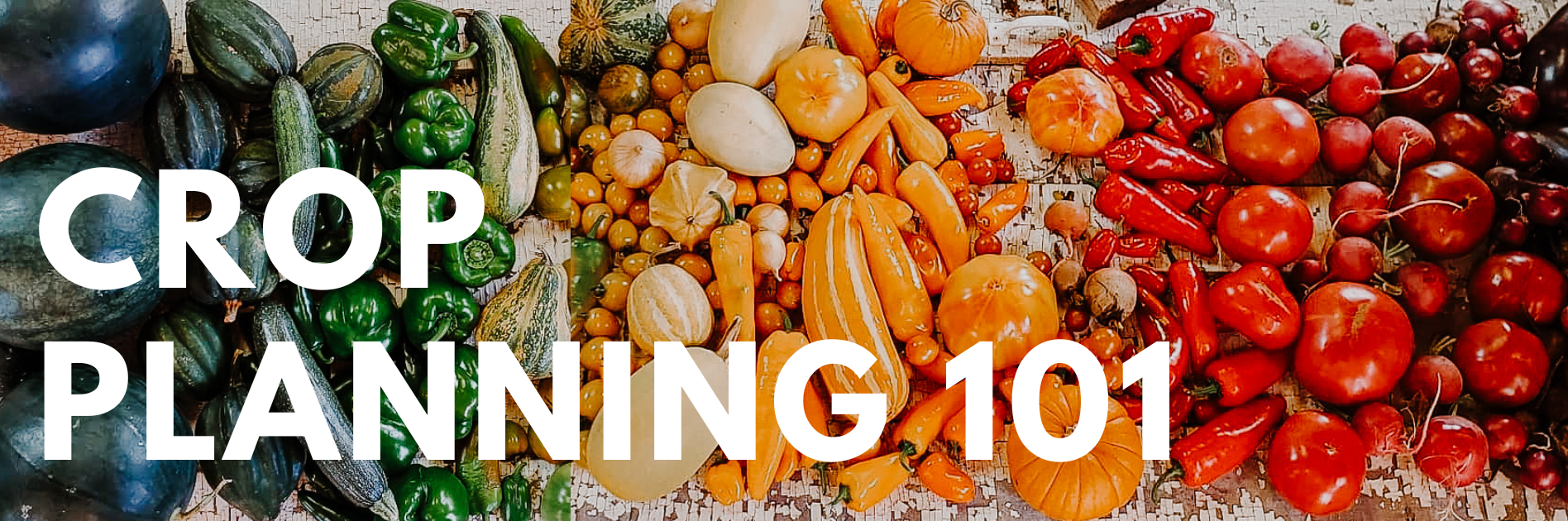
You should also check out my Crop Planning 101 ebook that I created last year to help you figure out what to grow, how to store crops, and so much more info to help you plan your garden year.

Source: what we're growing

Crop Planning 101: What Should I Grow?

Today I’m sharing a few snippets from the first chapter of my Crop Planning ebook. This ebook is super helpful in making sure you have a successful gardening season. From deciding what to grow, how to grow it, when to harvest, to crop storage, how to afford your garden, and seed saving. You may want to check it out for your spring garden planning!

So you are ready to plan your 2024 garden.

Before adding a gazillion seed packets to your cart, and going way overboard with purchasing (no? just me?) we want to consider a few things first:

First things first, before even adding a single thing to your cart, you will want to sit down and make a quick list of WHAT your family actually LIKES to eat, and will eat. As I’ve mentioned in recent past homesteading events, if your family doesn’t consider Brussel sprouts as a big winner on the dinner plate, probably best not to plant much of it. But alternatively, if your family gobbles up green beans and cherry tomatoes, definitely add a couple varieties of each to your list.

Figure out what the main crops are that your family will eat and enjoy. Both fresh - AND - preserved. Which leads me to my next tip…

Add to your list the top foods that you can preserve for winter. For us, that looks like tomatoes (sauce, salsa, crushed), green beans, zucchini, squash, beets, potatoes, onion, garlic, corn, and more. Those are the veggies we love to have stored up in the pantry to cellar for winter eating. If you are not big into canning and freezing, maybe just make a small list of 1-3 items that you’d like to learn how to can this fall. Or freeze. Anything you can do to keep your garden working for you all year long!

Next tip:
Figure out what foods you often buy from the grocery store that you can grow yourself. What’s in your cart weekly? This will help you have a guideline for what should be in your garden.
Also, consider what veggies taste better out of our summer garden as opposed to the January Kroger shelf. These are definitely the foods we grow to preserve, because we for sure love the taste of sweet corn and pasta sauce that came from our sun-ripened summer garden and not the canned food aisle at the grocery. This will help you create your list.

Lastly, which crops will provide you the highest value?
What I mean by that is, what crops can you yield the most from that are still easy to grow.
For example: tomatoes. Tomatoes are not only great for fresh eating, both slicing and cherry, but they are great on salads, sandwiches, in soups and pastas, etc. And they can amazingly well! Tomatoes are one of the easiest crops to preserve. So because you can eat them fresh and turn them into soooo many other things, they are a huge bang for your buck!

A few others would be carrots, squash, beets, sweet corn, onions, cucumbers, and green beans.

So now that you have your list and it’s time to shop, you have a better understanding of what you should purchase and how you can plan out how much of each crop you’ll need (preserving vs just fresh eating…you won’t need nearly as much lettuce seed as you would tomatoes).

And don’t forget, it’s ok to also purchase a few crops that you love, simply because you love them! Gardening is such an art. It can be beautiful but also so so beneficial for us.

If you have any questions on garden planning, reach out or check out my ebook that goes into more detail!

I’m rooting for you! :)